

Cannabis Industry Growth Strategy: A Shift Towards New Consumer Demographics
The cannabis industry, with sales approaching $45 billion, is now pivoting its growth focus towards first-time, wellness-minded buyers. This shift necessitates rapid changes in dispensary design and staffing. The sector seeks new growth engines amidst market maturation and pricing pressures.
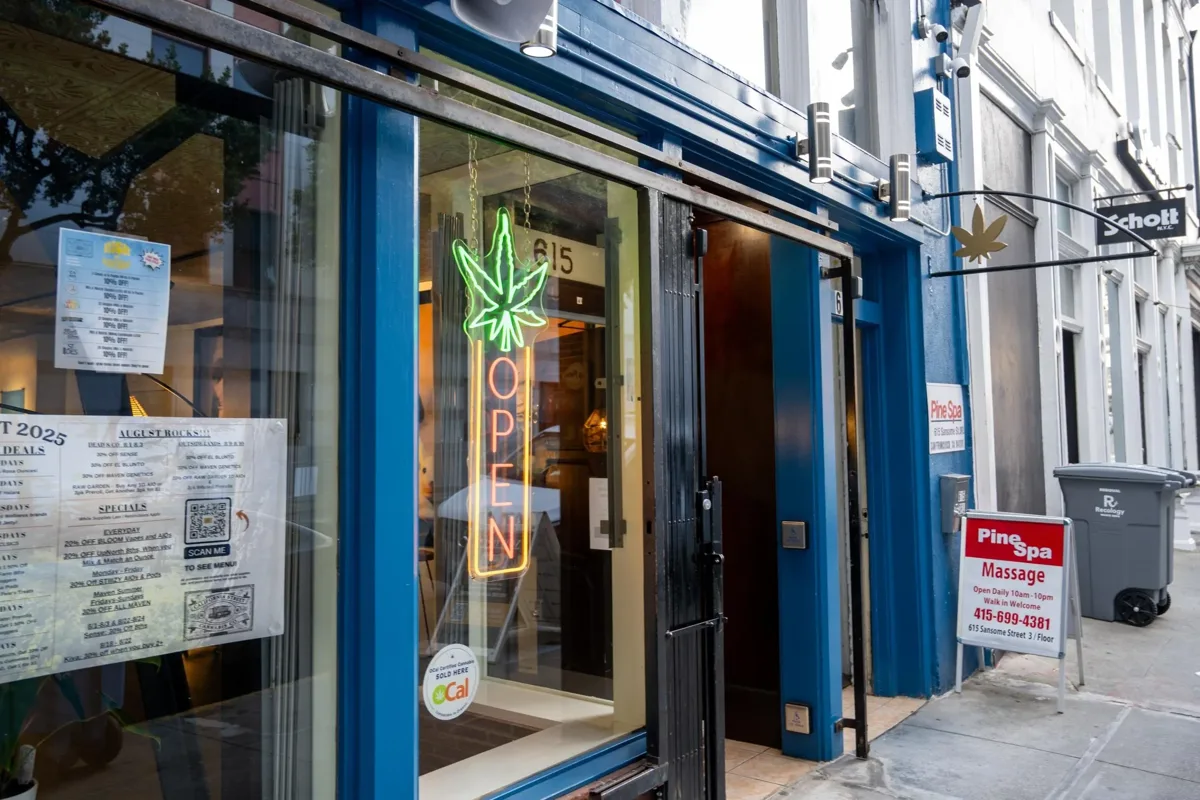
The U.S. legal cannabis market reached an estimated $44 billion in 2025 and is projected to hit $47 billion in 2026. However, as the industry's initial boom years slow, pricing pressures are squeezing margins in mature markets like Colorado and California. In this context, the cannabis industry is now focusing its growth on attracting a new demographic of first-time, wellness-oriented buyers who have never purchased cannabis before. This strategic pivot is playing a critical role in the future development of the sector.
The industry's early expansion was driven by enthusiasts and medical patients who had awaited legal access for years. Yet, the next phase of the legal cannabis market, poised to surpass $45 billion in annual sales, will be fueled by a fundamentally different type of customer: individuals who are curious, wellness-oriented, and do not identify with traditional cannabis culture. These new buyers often seek specific solutions for sleep or pain management and are frequently intimidated by the typical environment of existing cannabis dispensaries. Low-dose products, for instance, are proving to be a key entry point for these new consumers, offering a predictable and functional experience.
This demographic shift is compelling cannabis companies to rethink their product and marketing approaches. Dispensaries traditionally designed for connoisseurs can alienate new customers. Therefore, retailers must transition from a scarcity-driven sales model to one that emphasizes hospitality and comfort. Some dispensaries, such as Pink Balloon, are embracing this new approach by prioritizing design and staff empathy, thereby building trust and catering to outcome-focused buyers. Experts note that customer retention is five to ten times more cost-effective than customer acquisition.
The cannabis industry is also being bolstered by significant regulatory changes. The process of rescheduling cannabis from Schedule I to Schedule III by the U.S. Food and Drug Administration (FDA) is expected to be finalized by mid-2026. This change will remove cannabis businesses from the scope of IRS Code 280E, potentially saving the industry an estimated $2.3 billion annually in federal taxes and improving access to traditional banking. This regulatory easing makes the sector more attractive to institutional investors and has enabled some companies to list on the New York Stock Exchange (NYSE). For example, Trulieve Cannabis (TRLV) and Glass House Brands (GLAS) were able to uplist to the NYSE due to this change.
Analysts maintain a positive outlook on the U.S. cannabis sector, largely driven by anticipated policy developments. However, there are warnings that federal legalization may not reduce the regulatory burden but rather add a new layer of federal oversight on top of existing state-specific rules. It is emphasized that companies aiming for success in the industry must possess clean financials, strong operations, and genuine competitive advantages. Moving forward, consistency and standardized production processes (Good Manufacturing Practices - GMP) will be key to gaining a competitive edge in the sector.
💸 Ready to act on this news?
You need a brokerage account to invest. Compare 30+ trusted brokers in seconds — zero commission options available.
Comments (0)
No comments yet. Be the first to comment!