

Canada Vows 'Dollar for Dollar' Response as US Imposes 50% Tariffs
Canada's Prime Minister Mark Carney has vowed a "dollar for dollar" retaliation after the US imposed 50% tariffs on approximately $20 billion worth of Canadian goods. The collapse of trade talks has escalated tensions, which are expected to deeply affect relations between the two traditional allies, with Canadian countermeasures set for September 8.
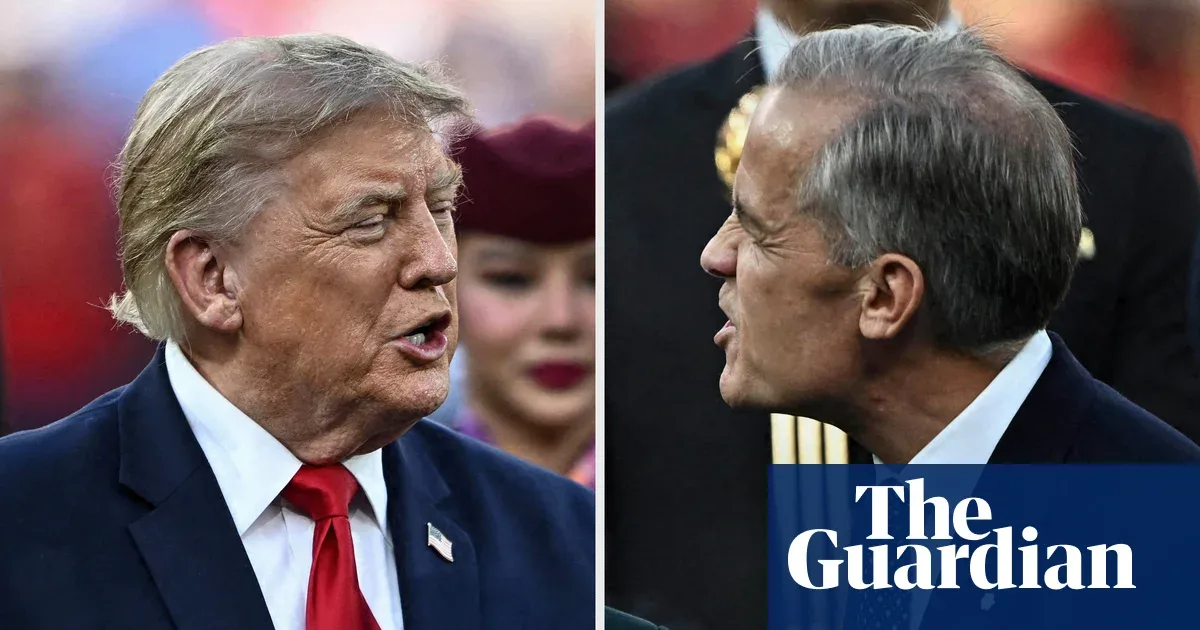
The United States has imposed 50% tariffs on certain goods from Canada following the collapse of weeks-long trade negotiations between the two nations. In response, Ottawa has pledged a "dollar for dollar" retaliation, escalating commercial tensions between the two traditional allies. Canadian Prime Minister Mark Carney stated that the deal fell apart due to last-minute changes in US proposed terms, while US Trade Representative Jamieson Greer countered that Canada declined to finalize the trade deal under previously agreed-upon terms.
The tariffs impact approximately $20 billion worth of Canadian products, ranging from hockey sticks to tongue depressors. This move by US President Donald Trump affects about 5% of Canada's annual exports to the United States. Canada has announced that its retaliatory tariffs will come into effect on September 8, with expectations that they will target sectors such as steel, aluminum, automotive, and lumber.
Trade experts warn that these tariffs could lead to job losses in both countries. However, the most significant impact is anticipated to be political, driving a deeper wedge between Washington and Ottawa. Prime Minister Carney adopted a firm stance, stating that the US was "using economic integration as a weapon" and that his country had been "attacked."
This trade dispute represents the biggest rupture in recent relations between the US and one of its closest allies and trading partners. President Trump's bellicose foreign trade policy has drawn strong reactions from officials in Ottawa. The two sides, which had appeared close to a deal to lower tariffs on steel, aluminum, and cars, blamed each other for the last-minute breakdown. The US accused Canada of seeking additional concessions at the eleventh hour, leading to the collapse of the agreement.
Canada has indicated its intention to take steps to reduce its economic dependence on the United States and strengthen its own economy. Markets are closely monitoring the potential implications of this escalation for the future of the North American Free Trade Agreement (NAFTA). Analysts caution that this trade war could have long-term consequences for global supply chains and international trade rules.
💸 Ready to act on this news?
You need a brokerage account to invest. Compare 30+ trusted brokers in seconds — zero commission options available.
Comments (0)
No comments yet. Be the first to comment!