

Canada-US Trade Negotiations Miss Critical Deadline
Negotiations between Canada and the United States to revise the North American Free Trade Agreement (NAFTA) concluded without a deal, missing Washington's critical Friday deadline. Canadian chief negotiator Chrystia Freeland stated that there was still significant work to be done to reach an agreement.
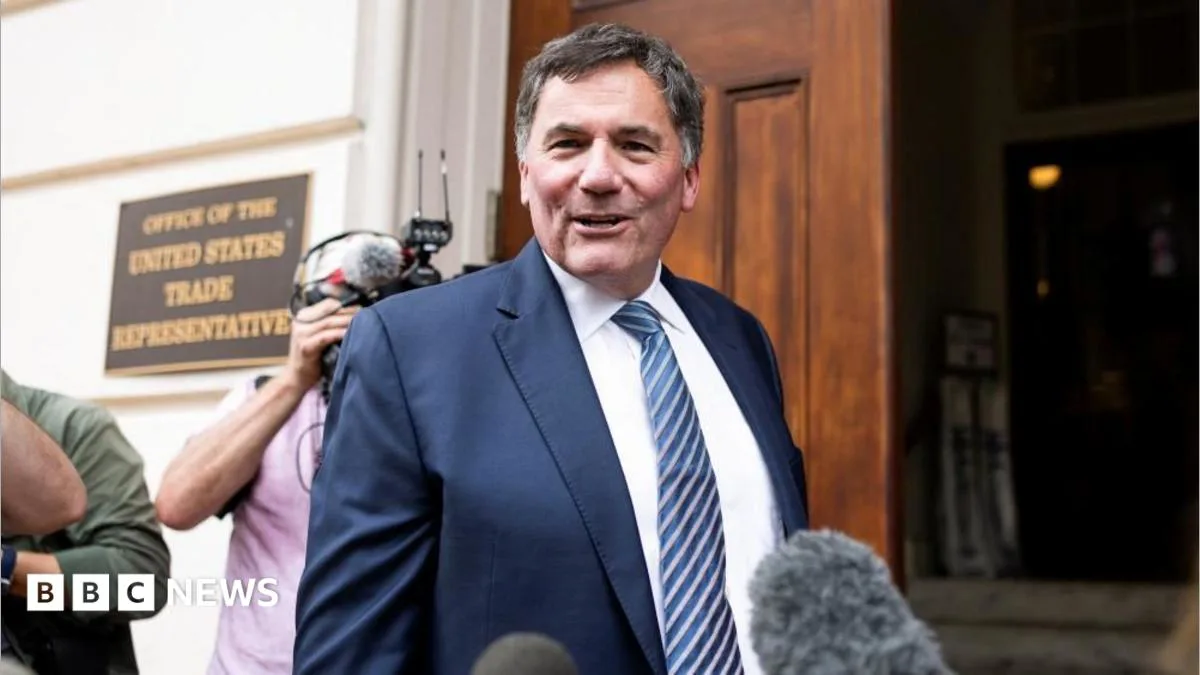
Negotiations between Canada and the United States to revamp the North American Free Trade Agreement (NAFTA) concluded without reaching a deal, missing a critical Friday deadline imposed by the Washington administration. Chrystia Freeland, then Canada's Minister of Foreign Affairs and chief negotiator, stated after the talks that significant work remained to be done to secure an agreement. This development heightened trade tensions between the two nations and introduced uncertainty into the markets.
The intense negotiations, which ended on Friday, August 31, 2018, were part of the US's pressure on Canada to join a bilateral deal already struck with Mexico. US Trade Representative Robert Lighthizer had informed Congress of the US's intent to sign a trade agreement with Mexico, adding that Canada could participate 'if it is willing.' However, the Canadian side made it clear that it would not agree to a deal unless it was comprehensive and beneficial to the country's interests. Freeland emphasized that a good deal for Canada was essential, stating, "We're not there yet."
Key contentious issues in the negotiations included US access to Canada's dairy market, the dispute resolution mechanism (NAFTA Chapter 19), and cultural protections. Chapter 19, in particular, was considered a 'red line' for Canada, and the US demand to eliminate this mechanism posed a significant hurdle. Threats of steel and aluminum tariffs against Canada by the then-US President Donald Trump further escalated the tension during the negotiation period.
This process was part of the Donald Trump administration's broader efforts to reshape global trade relations under its 'America First' policy. Trump, who often called NAFTA the 'worst trade deal in history,' aimed to reduce US trade deficits and protect American jobs. The swift agreement with Mexico placed considerable pressure on Canada to accept the deal. This period marked one of the most strained times in the long-standing economic relationship between the US and Canada.
Market analysts and economists had noted that the uncertainty surrounding NAFTA's future negatively impacted Canadian and Mexican markets and their currencies. The prolonged negotiations had the potential to delay investment decisions, particularly in sectors with integrated supply chains like the automotive industry. Nevertheless, on September 30, 2018, just before a midnight deadline set by the US Congress, Canada, the US, and Mexico reached an agreement on a new trade pact, the United States-Mexico-Canada Agreement (USMCA). This agreement was signed on November 30, 2018, and officially entered into force on July 1, 2020. The resolution of the agreement brought relief to global financial markets, leading to an uptick.
With the implementation of USMCA, a new set of rules governing North America's $1.2 trillion trade volume was established. The agreement introduced significant changes, particularly in rules of origin for the automotive sector, and included updates in areas crucial for the modern economy such as digital trade and intellectual property rights. Analysts anticipate that this agreement will provide long-term stability for trade relations in the region, though they continue to caution about potential future trade tensions and global economic shifts that could pose new challenges.
💸 Ready to act on this news?
You need a brokerage account to invest. Compare 30+ trusted brokers in seconds — zero commission options available.
Comments (0)
No comments yet. Be the first to comment!