

Brazil Coffee Harvest Acceleration Outlook Weighs on Prices
Coffee prices declined as forecasts for dry weather in Brazil's coffee-growing regions are expected to accelerate the coffee bean drying process and boost the harvest pace. September arabica coffee (KCU26) closed down 1.61%, while robusta coffee (RMU26) fell by 2.39%.
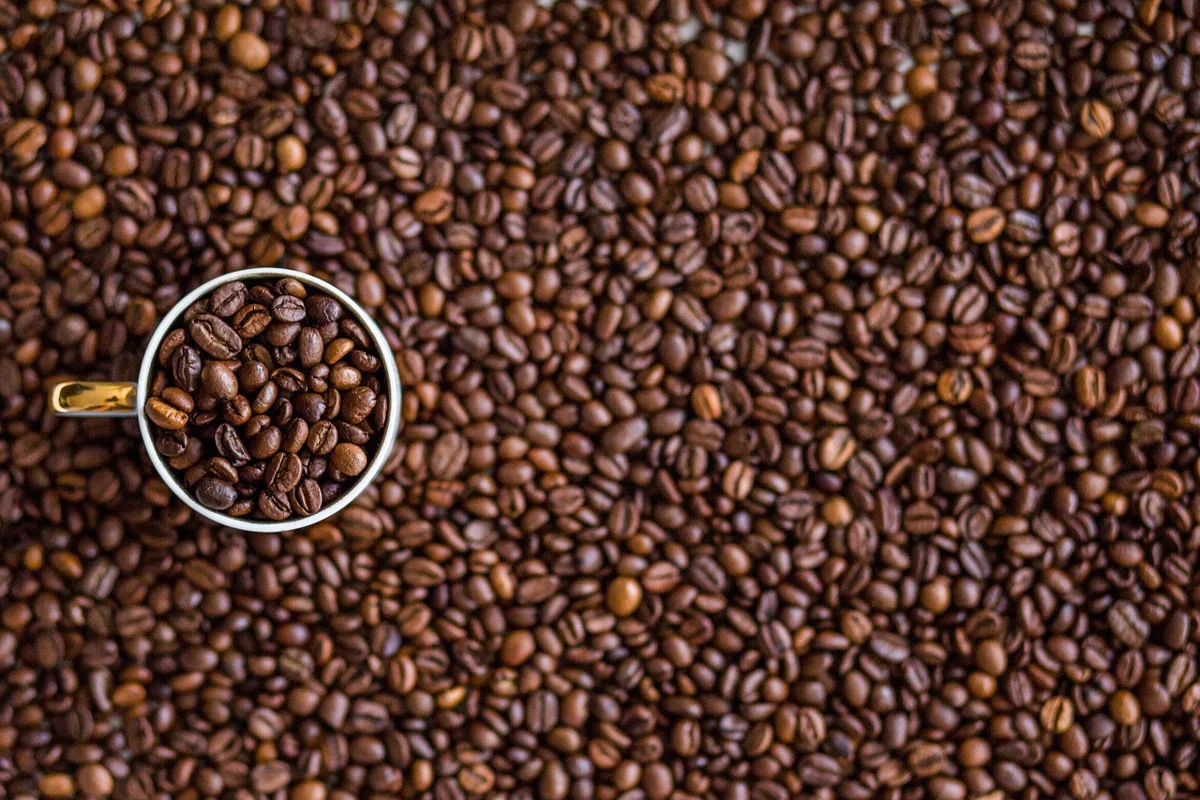
The outlook for dry weather conditions in Brazil's coffee-growing regions next week has led to a downward trend in coffee prices. On Thursday, August 6, 2026, September arabica coffee futures (KCU26) closed down 1.61%, while September ICE robusta coffee futures (RMU26) retreated by 2.39%. This decline is primarily driven by expectations that the dry weather will facilitate the drying of coffee beans and enable farmers to accelerate the pace of the country's coffee harvest.
The main pressure on coffee prices stems from strong expectations of an accelerated harvest in Brazil. Somar Meteorologia reported that no rain fell in Brazil's Minas Gerais, the primary arabica-coffee-growing region, in the week ending August 2. This development fuels hopes that the harvest, which has been proceeding slower than usual, might pick up pace. As of July 31, the harvest among Cooxupe co-op members was 67.3% complete, trailing last year's pace of 74.2%. Furthermore, Safras & Mercado reported on July 17 that Brazil's 2026/27 coffee harvest was 64% complete as of July 15, lagging both last year's comparable level of 77% and the five-year average of 70%.
The market impacts vary across coffee types. ICE robusta coffee inventories climbed to a 4.25-month high of 4,254 lots on July 22, exerting downward pressure on robusta prices. In contrast, ICE arabica coffee inventories fell to a 2.5-year low of 248,897 bags on Thursday, acting as a bullish factor for arabica prices. This highlights how distinct supply and demand dynamics, coupled with harvest expectations in Brazil, are influencing different coffee varieties.
In a broader economic context, the U.S. Department of Agriculture (USDA) forecasted on July 22 that global coffee output in the 2026-27 season would rise by 6.0% (10.8 million bags) to a record 189.7 million bags, primarily due to improved growing conditions in Brazil. The USDA anticipates global arabica production to increase by 12% year-over-year, while robusta production is expected to decline by 0.7% year-over-year. World ending stocks are projected to rise by 1.9 million bags to 26.3 million bags. The USDA's Foreign Agricultural Service (FAS) had previously forecast a record 2026/27 Brazil coffee crop of 71.9 million bags, a 14% increase year-over-year, on June 3.
Analysts and market expectations are now focused on the potential effects of the El Niño weather phenomenon in the upcoming period. The U.S. Climate Prediction Center warned that the El Niño weather pattern that emerged in July 2026 could be one of the strongest in over 75 years, raising concerns that it might negatively impact Brazil's coffee crop in the next cycle (2027/28). El Niño could delay rains in September and October, typically the tree flowering period, thereby posing an upside risk for prices in the long term. Meanwhile, soaring robusta coffee exports from Vietnam are adding bearish pressure on robusta prices, with the country's coffee exports from January to July 2026 rising by 21.1% year-over-year to 1.31 million metric tons.
💱 Trade this forex / commodity move
You need a brokerage account to trade forex and commodities. Compare 30+ trusted brokers in seconds.
Comments (0)
No comments yet. Be the first to comment!