

Bolivia's Fuel Crisis Deepens: President Paz Declares State of Emergency
Bolivia's social crisis, triggered by the removal of fuel subsidies, has escalated with nationwide protests and road blockades. President Rodrigo Paz declared a state of emergency to restore order and address the economic turmoil.
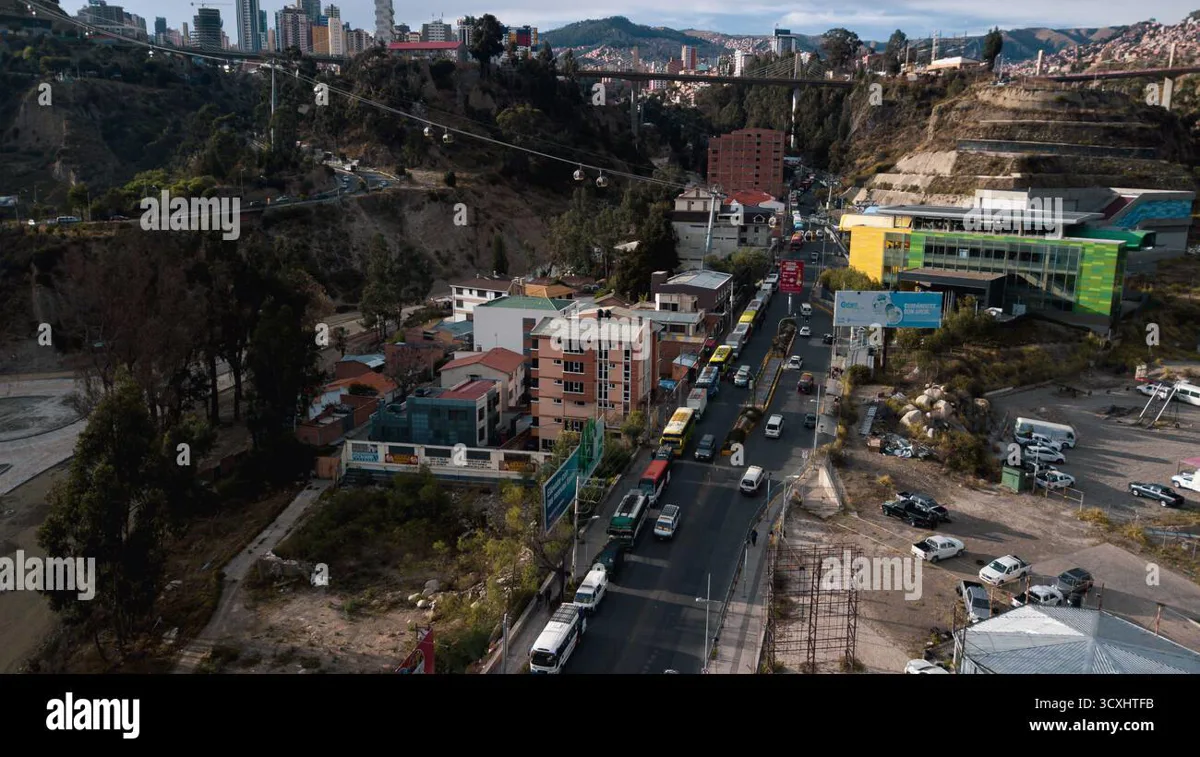
Bolivia's social crisis, ignited by the sudden removal of long-standing fuel subsidies, has reached a new critical phase with widespread protests and road blockades across the country. President Rodrigo Paz declared a state of emergency nationwide, aiming to quell the chaos that has persisted for approximately 50 days and brought the national economy to a standstill. This declaration grants the military broader powers to clear blockades and re-establish public order.
The crisis originated from the Paz administration's abrupt decision to eliminate fuel subsidies, a move intended to curb a significant budget deficit and address a worsening dollar shortage. Following this decision, gasoline prices surged by 86%, and diesel prices by over 160%. This sharp increase in fuel costs sparked widespread public outcry and led to social unrest. Despite the government's announcement of a 20% minimum wage hike and other social protection measures to mitigate the impact, these efforts failed to appease the public. Even after reaching an agreement with the powerful Bolivian Workers' Confederation (COB), the continuation of street protests compelled the government to resort to military intervention.
Nationwide road blockades have paralyzed Bolivia's economy, leading to an estimated daily economic loss of $50 million. Major cities are experiencing severe shortages of food, fuel, and medical supplies. This situation has severely disrupted the country's foreign trade and daily life. The removal of fuel subsidies has exacerbated macroeconomic challenges, including an inflation rate that reached 21% in 2025 and a significant depletion of foreign exchange reserves.
For nearly two decades, Bolivia maintained fuel subsidies, importing fuel at international prices and selling it domestically at lower rates, which substantially drained its foreign currency reserves. The Paz administration argues that these policies were financially unsustainable and detrimental to the country's fiscal health. The current crisis marks a decisive departure from two decades of socialist economic policies. The United States has expressed support for Paz's economic reforms, with discussions underway to attract investment into the country. Furthermore, there are plans to open Bolivia's vast lithium reserves to foreign investors.
Analysts suggest that eliminating fuel subsidies is a crucial step toward restoring stability in public finances, but it carries significant political and social risks. Former President Evo Morales faced similar protests and was forced to backtrack on subsidy cuts in 2010. While the state of emergency is seen as an attempt by the government to restore order, the underlying economic discontent and political divisions indicate a potential for further escalation. Market expectations suggest that the government aims to achieve short-term stability with these measures, but building a sustainable long-term economic growth model will be a challenging process.
💸 Ready to act on this news?
You need a brokerage account to invest. Compare 30+ trusted brokers in seconds — zero commission options available.
Comments (0)
No comments yet. Be the first to comment!