

Andrew Left's Defense Asks Why Government Targeted Him, Not Firm
Left's defense pressed a federal official, asking why prosecutors targeted him rather than the company he accused of fraud. The trial tests short-seller limits.
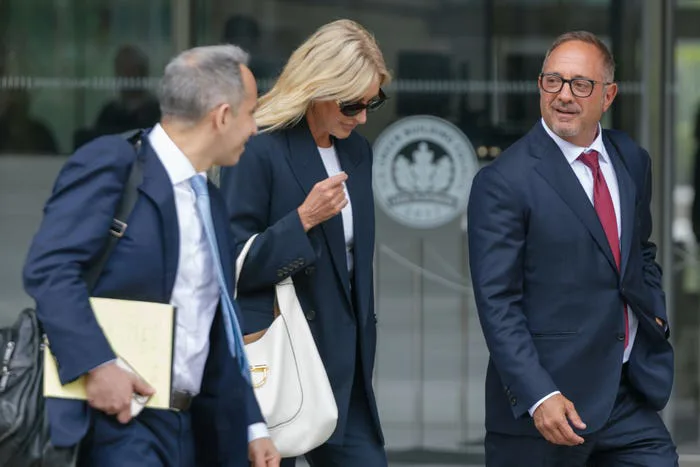
At a federal court in Los Angeles, Andrew Left’s defense adopted an assertive stance by pressing a federal official with the question why prosecutors singled him out instead of investigating the company he had publicly accused of fraud; the exchange has sharpened debate over the legal boundaries of activist short selling.
Prosecutors allege Left used social media posts, research reports and trades to mislead retail investors and to profit from ensuing market moves, pointing to activity between 2018 and 2023 that they say yielded roughly $16–20 million in illicit gains. The Department of Justice’s indictment and a parallel civil action by the Securities and Exchange Commission name Citron Research and detail counts of securities fraud and false statements to investigators. Left’s legal team disputes intent to defraud and frames the matter as protected market commentary and investment analysis.
By asking why the government targeted him rather than the corporate subjects of his allegations, the defense has foregrounded selective-prosecution and First Amendment arguments. Left’s lawyers argue his public statements were bona fide investment views while prosecutors plan to rely on private messages and alleged coordination with hedge funds to show manipulative intent. The clash reflects a broader tension between market transparency rules and the right to publish hard-hitting, sometimes incendiary, research.
Market impact has so far been muted in direct price terms, but the litigation heightens regulatory risk for activist short sellers and could increase volatility for stocks that become public targets. High-profile companies mentioned in reporting about the case include Nvidia and Tesla as examples of firms discussed in Left’s research; such cases can raise compliance costs and reputational risk for independent research outfits and for trading counterparties.
In the wider context, U.S. enforcement agencies have stepped up scrutiny of market influencers and coordinated trading activity, and the outcome of Left’s trial may set important precedents for what constitutes unlawful manipulation versus protected opinion. Market participants expect potential tightening of disclosure, coordination and communication rules affecting short-selling strategies.
Analysts and legal experts anticipate a protracted litigation path with significant implications: a conviction could deter aggressive short activism, while a defense victory might preserve broad latitude for market commentary but still invite regulatory reform. Investors and research firms are advised to review compliance policies and disclosure practices as the case progresses through pretrial motions and, potentially, an extended trial.
Related Symbols
💸 Ready to act on this news?
You need a brokerage account to invest. Compare 30+ trusted brokers in seconds — zero commission options available.
Comments (0)
No comments yet. Be the first to comment!