

Alcoa benefits as Middle East cuts extend aluminium rally further
Middle East conflict removed about 9% of global aluminium supply; prices rose and Alcoa won extra orders. Analysts warn tightness could keep prices elevated for months.
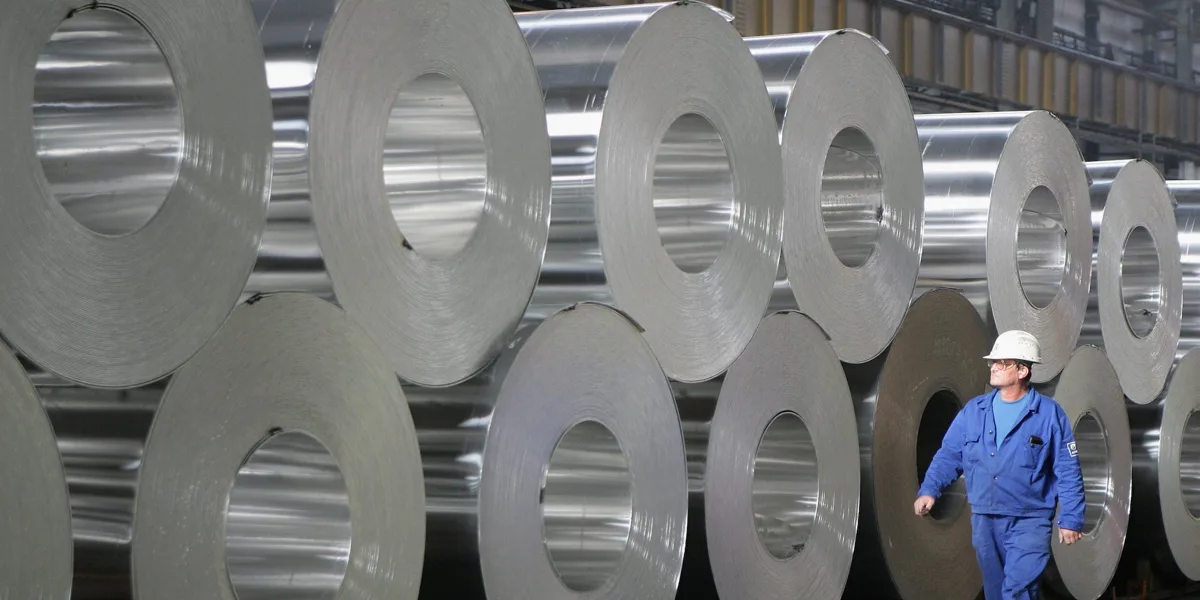
Supply disruptions stemming from the Middle East conflict have tightened the global aluminium market and created a window of opportunity for Alcoa, which has seen a pickup in customer inquiries and orders. S&P Global data shows Gulf producers accounted for roughly 6.8 million tonnes in 2025, equivalent to about 9% of global primary aluminium output, making the region’s outages meaningful for world flows.
The shock unfolded as several Gulf smelters curtailed production or faced shipment delays, pushing regional premiums sharply higher. At a JPMorgan conference Bloomberg reported Alcoa’s CFO saying the company was receiving additional spot orders and increased inquiries for Q2 and H2 supplies from customers that normally take metal from Middle Eastern producers.
Alcoa’s own first-quarter 2026 results reflected the market shift: higher aluminium prices contributed to improved adjusted EBITDA and net income relative to recent quarters, supported by inventory repositioning and product premiums, according to the company filing. The firm also noted operational actions such as the San Ciprián smelter restart that affect near-term shipments.
Market-level indicators show LME aluminium and regional P1020 premiums climbed sharply after the conflict intensified, and analysts warn that supply tightness could translate into sustained price pressure. Commodity houses including Mercuria told Reuters the disruption amounts to a “black swan” event and estimate a multi-million-ton shortfall through the year, underlining the potential for elevated prices until flows normalize.
In the wider economic context, aluminium is energy-intensive so higher fuel and freight costs amplify producer margin stress and feed through to downstream industries such as automotive, packaging and construction. Buyers are increasingly seeking alternative sources and longer-term contracts, while some producers reposition inventories geographically to meet demand spikes.
Looking ahead, market participants expect volatility to remain elevated: if Middle East disruptions persist prices could stay firm for months and potentially longer, whereas rapid de-escalation and restart of Gulf capacity would ease premiums. For Alcoa, the near-term outlook points to stronger order intake and improved margins from higher realized prices, but the company—and investors—remain attentive to the durability of the supply shock and energy-cost dynamics.
Related Symbols
💸 Ready to act on this news?
You need a brokerage account to invest. Compare 30+ trusted brokers in seconds — zero commission options available.
Comments (0)
No comments yet. Be the first to comment!