

Airbus Yields to Remote Work Demands Following Strikes
European aerospace giant Airbus has relaxed its return-to-office plans after employees' remote working demands and a series of strikes. The company decided to maintain the current average of two days a week for remote work, instead of restricting it to one day from September. This move marks a significant backtrack from CEO Guillaume Faury's push for increased on-site presence.
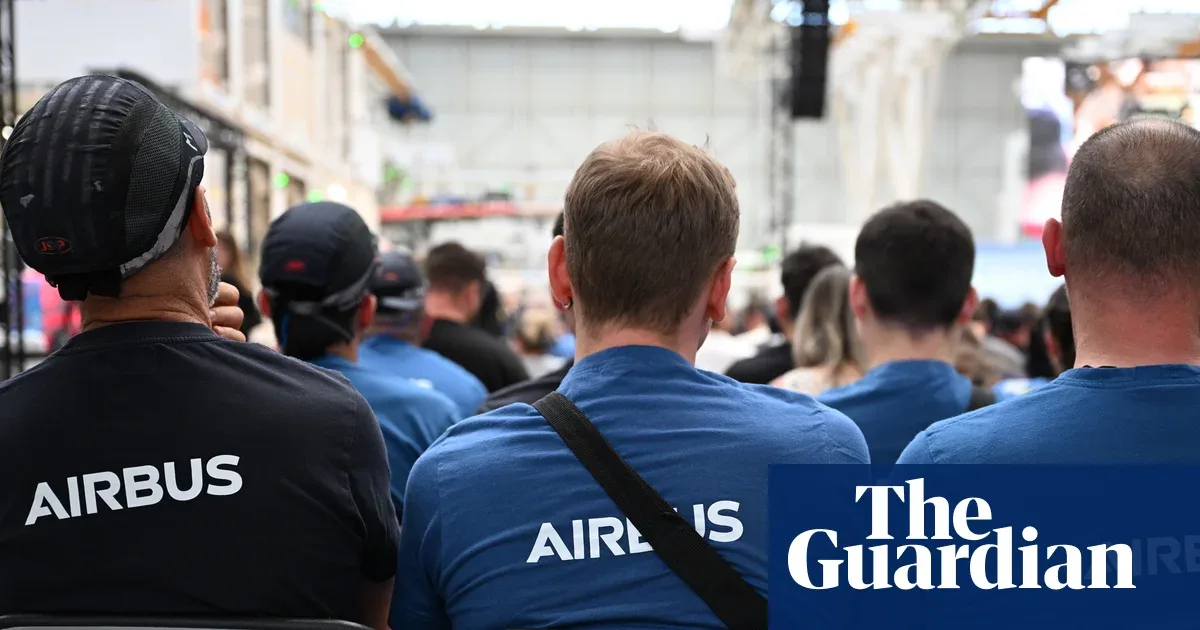
Airbus, the leading European aircraft manufacturer, has acceded to employee demands regarding its remote working policy, stepping back from stricter return-to-office plans. Following a series of strikes and protests, primarily in Spain but also supported in France and the UK, the company's management has suspended its initiative to reduce the number of weekly remote workdays. Airbus had aimed to limit remote work to one day a week starting in September, but it is now reported that employees will be allowed to maintain their current average of two days of remote work per week.
This retreat deals a blow to Airbus CEO Guillaume Faury's high-profile campaign to bring the workforce back to offices, an effort aimed at meeting record demand and integrating thousands of new hires for new product development. Faury stated in a June memo to employees that while remote work had been a lifeline during the Covid-19 pandemic, the opposite was now true, emphasizing the need for in-person skill sharing. However, ongoing strikes in Spain since July, involving approximately 40% of the company's 14,000 local workers, covered issues including remote working, transportation, paid leave, and salaries, forcing management to backtrack.
Airbus's decision reflects the company's quest to balance operational efficiency with employee satisfaction. According to Reuters, the strikes did not directly affect Airbus's production, which is central to the European defense industry. Nevertheless, shares of Airbus (AIR) experienced some volatility during this period, and Devdiscourse noted that the company faces pressure to maintain flexibility to attract young employees who prioritize work-life balance. This indicates that human resources policies in such a large corporation can indirectly influence market perception and investor confidence.
Across the industry, aerospace firms are grappling with the challenges of meeting record demand and restructuring their workforce in the post-pandemic era. Airbus, too, has expanded its workforce by a quarter to a third with new hires over the past three years. Ensuring knowledge and skill transfer from experienced colleagues to these new employees was a key motivation behind CEO Faury's call for a return to the office. However, employee demands for work-life balance and flexibility remain a critical factor, particularly among younger talent.
Analysts and market observers view Airbus's decision as an indicator of how large corporations adapt to evolving work cultures and union pressures. An Airbus spokesperson stated that their objective remains to increase on-site presence for better collective efficiency, knowledge transfer, and faster decision-making, but they will implement this transition more gradually based on employee feedback. In the coming period, how Airbus manages this new hybrid work arrangement and its long-term effects on productivity, innovation, and employee engagement will be closely monitored.
Related Symbols
💸 Ready to act on this news?
You need a brokerage account to invest. Compare 30+ trusted brokers in seconds — zero commission options available.
Comments (0)
No comments yet. Be the first to comment!